On Your Marks, Get Set…
There’s a moment that comes up often at the beginning of a conversation with a new client. It tends to arrive quite early with a strange sense of unsure optimism. “We think we need a new logo.”
It’s an understandable place to start. Logos are visible and immediate. They’re the thing people point to, the shorthand for a business, the mark that carries recognition out into the world. In many ways, they feel like the brand. But of course they aren’t. They sit at the very top of something much larger. We often describe them as the top of the tent. Everything beneath, the thinking, the positioning, the tone, the system, is what gives that structure meaning and stability.
Still, there’s something genuinely charming about that instinct to begin with a logo. It speaks to a belief in the power of a single mark to shift perception, to create momentum, or signal change. That belief isn’t misplaced. A logo can’t do everything, but it can do a surprising amount.
At its best, a needs to express something distinctive while remaining clear and usable. It has to carry character without becoming decorative. It should feel inevitable, as though it couldn’t have been drawn any other way, while still working across countless applications. It might suggest heritage or it might mark a break from it. It might whisper or it might speak with confidence. Often, it’s doing several of these things at once.
When we approach logo design, we don’t think in terms of a single answer. We explore a range of possibilities that respond to the same core idea in different ways. Some routes are rooted in typography, where the smallest adjustments to proportion or spacing can completely change the tone. Some are driven by a clear concept, where one gesture carries the entire idea. Others are more crafted, where attention to detail becomes the defining quality. And sometimes the most effective solution is the most restrained, where very little is added and everything unnecessary is removed.
Not all of these ideas make it into the world. In fact, many of them don’t. They live in presentations, in working files, in the space between what was proposed and what was chosen. We’ve always found value in those unseen outcomes. They aren’t lesser versions of the final mark. They’re alternative readings of the same problem, each one considered, each one resolved, each one pointing in a slightly different future.
There’s also something worth acknowledging about the lifespan of logos. Some of the marks we’ve designed are out there now, doing their job quietly and consistently. Others had a more defined chapter. They were launched, they lived, and they were eventually replaced as the organisations they represented evolved or changed course. That’s part of the natural rhythm of branding. A logo isn’t a permanent fixture. It’s a reflection of a moment with a role to play for as long as it remains relevant.
It’s easy to overstate what a logo can achieve. It won’t resolve a lack of clarity in a business. It can’t carry a brand on its own. But it can act as a focal point. It can give people something to recognise and rally around. It’s often the moment where a more abstract piece of thinking becomes visible and tangible.
So while we might gently challenge that initial request for a new logo and open up a broader conversation about brand and identity, we don’t dismiss it. There’s a reason it comes first. The logo is where belief tends to surface. It’s where the ambition of a business finds a form that can be seen, shared and remembered.
And whether a mark goes on to live for years, or remains part of an exploration that never quite made it out into the world, it still holds value. Each one is an attempt to distil something complex into something simple. Each one carries a point of view. Each one, in its own way, helps define the shape of the tent.
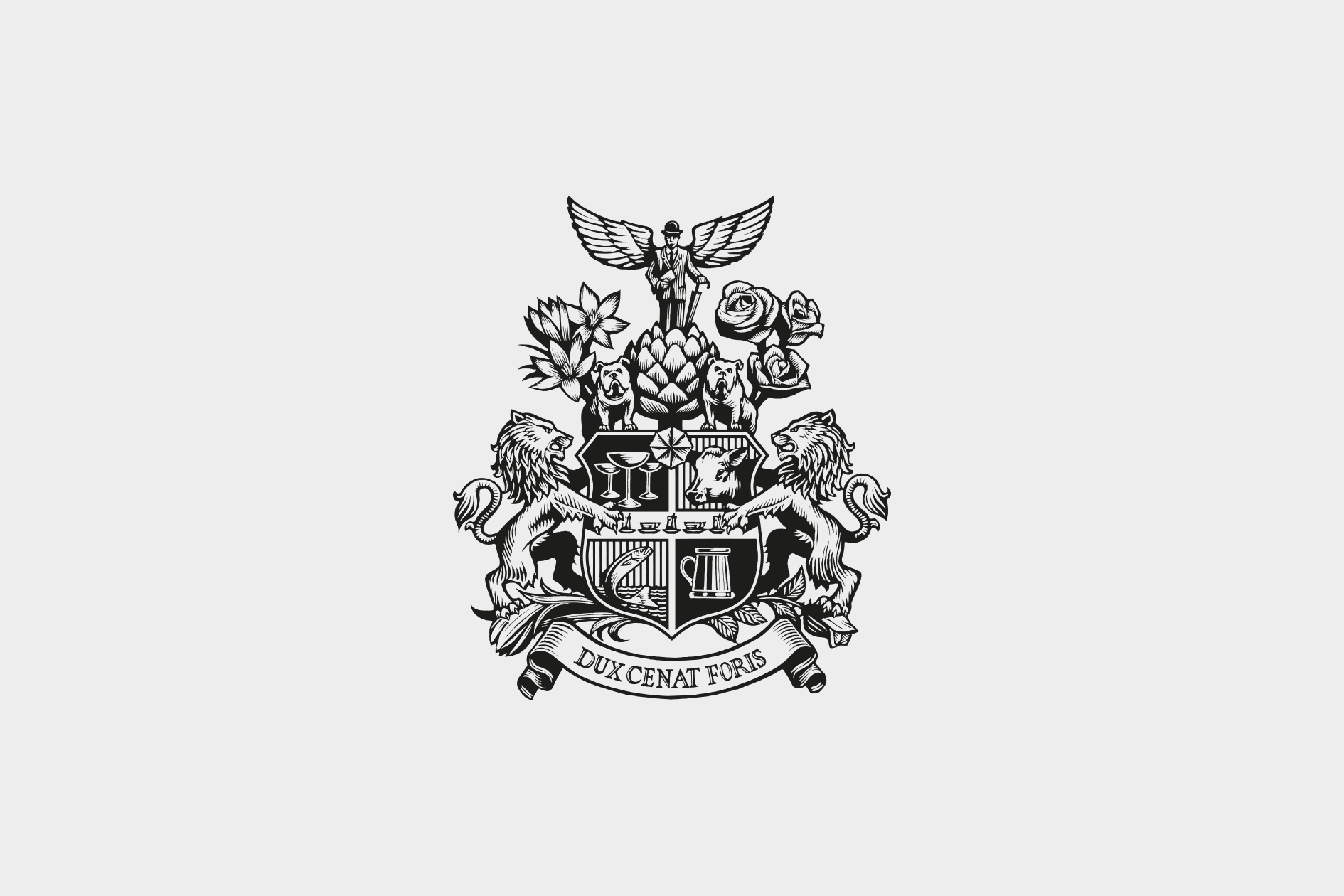
Below are a selection of logos we’ve created over the years. Some can still be found out there today, some have had their time, and some never had a moment to shine. Together, they’re a reminder that a logo is more than just a mark — it’s a small piece of a much bigger picture, and one that continues to shape the way people see, remember, and engage with a brand.